Lacking steady rhythms, kids often display worry, pushback, or feeling swamped by ordinary demands. Putting reliable habits in place tackles these issues head-on and gives youngsters a dependable structure that encourages steadier moods and a grounded outlook.
Studies indicate that predictable schedules give children better tools for handling tension and facing unfamiliar moments with greater assurance. This walkthrough looks at how steady patterns cultivate a feeling of safety, encourage healthy growth, and share hands-on suggestions for households aiming to build a more peaceful home life.
The Importance of Routine in Childhood
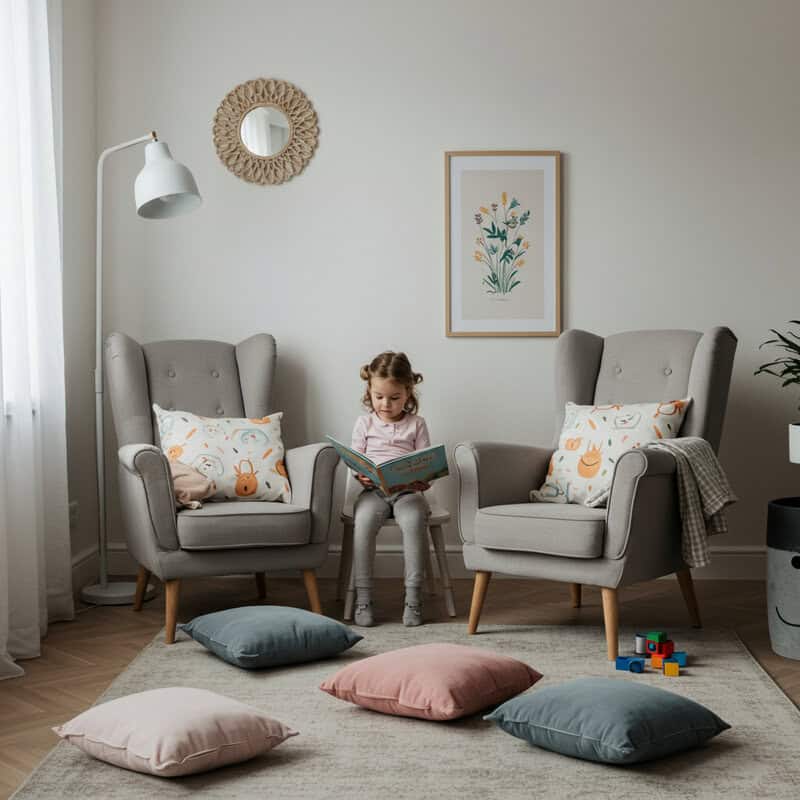
Steady habits nurture safety, steadier emotions, and self-control in a child's day-to-day world. | Generated by Google Gemini
Predictable patterns give children a feeling of knowing what's coming, a cornerstone of their mental wellness. Understanding the day's shape cuts down on unease and the unknown, letting kids feel more rooted where they live.
The American Academy of Pediatrics points out that steady schedules teach kids self-discipline and accountability while also aiding emotional balance. Kids who follow regular timetables handle shifts and adjust to change more readily, which lifts their self-assurance and broader psychological health.
Observe Your Child's Current Patterns
Logging your child's everyday habits uncovers natural cycles, helping shape routines that nurture well-being. | Generated by Google Gemini
Start by watching closely how your child moves through the day, jotting down when they're most lively, drained, peckish, or grumpy. Writing their activities and feelings in a notebook can bring hidden patterns to light and flag moments that might benefit from firmer structure.
Noticing these cycles lets you spot openings where added structure could bring more comfort. Outlets like the Child Mind Institute advise logging your child's usual flow for several days so any adjustments match their personal needs.
Create a Consistent Daily Schedule
A bright family calendar and daily routine chart hang on the wall, helping everyone stay organized and on schedule. | Generated by Google Gemini
Putting together a day-by-day plan covering fixed wake-up hours, meals, play windows, and lights-out gives children an anchor and a sense of safety. Predictable habits let kids guess what follows, trimming tension and deepening faith in their surroundings.
Verywell Family experts propose beginning with the essentials, like morning and bedtime flows, then layering on extra structured pieces over time. Matching routines to a child's developmental stage keeps them workable and worthwhile, supporting emotional control while supplying the firm limits kids need for healthy growth.
Communicate Changes Clearly and Positively
A parent kneels beside their child, sharing uplifting words while attentive children listen with eager expressions. | Generated by Google Gemini
When rolling out new habits, telling your child about the shift in plain, upbeat language matters most. Pick simple words, talk through what the new plan offers, and welcome questions or feelings. Giving kids a say, like letting them pick the order of certain tasks, can boost their feeling of agency and willingness to cooperate.
The Raising Children Network suggests prepping kids ahead of time and recognizing their feelings to smooth out transitions and lower pushback, setting the stage for a smoother move into fresh routines.
Remain Flexible and Adjust as Needed
A smiling family lounges together on the living room floor, enjoying spontaneous playtime as they adjust their daily routine. | Generated by Google Gemini
Though routines offer useful order, staying open to change and shifting as your child grows or family life shifts remains key. Surprise events, developmental leaps, or changing hobbies might call for tweaks to the day. Striking a balance between steadiness and adaptability helps kids grow tougher and learn to handle change in healthy ways.
PBS Parents recommends parents revisit routines often and make light tweaks to keep them useful and fitting. Honest talk and a readiness to adjust routines keep both structure and emotional backing solid in your child's world.
Reinforce and Celebrate Consistency
A joyful child beams with excitement beside a colorful reward chart, surrounded by a smiling, supportive family. | Generated by Google Gemini
Steady routines land best when kids sense their efforts get noticed. Bringing in positive feedback, like kind words, stickers, or modest treats, can spark kids to stick with new patterns and see routines as something fun. Cheering wins, even tiny ones, lifts self-worth and cements a feeling of pride.
The Centers for Disease Control and Prevention (CDC) suggests recognizing your child's strides and keeping a warm, supportive tone so routines become second nature. Ongoing praise keeps motivation alive and deepens the steadiness and self-assurance routines bring to children's lives.
Conclusion
A smiling family enjoys breakfast together at a sunlit kitchen table, their children relaxed and confident in routine. | Generated by Google Gemini
Building and sticking with routines gives children a steady base that nourishes emotional safety, self-assurance, and grit. Predictable day-to-day rhythms lower worry, encourage positive conduct, and ready kids to meet life's shifts with more confidence.
By following the steps laid out, watching patterns, shaping schedules, speaking openly, staying adaptable, and cheering progress, families can craft a nurturing setting for healthy growth. Keep in mind that child development specialists back the value of routines. Putting time into routine is a gift that keeps giving for your child's emotional health.