Providing your child with a nourishing meal at school goes beyond simply filling their stomach—it's about supporting their development, focus, and long-term well-being. A thoughtfully prepared lunchbox can enhance energy levels, aid learning, and instill positive eating habits that last a lifetime. But what items should you include?
This article offers practical suggestions, well-rounded meal concepts, and professional insights to help you create appealing, nutritious lunches that kids will enjoy. Whether you need more variety or strategies for fussy eaters, you'll find useful advice to make lunchtime both wholesome and fun.
Pick the Perfect Lunch Container
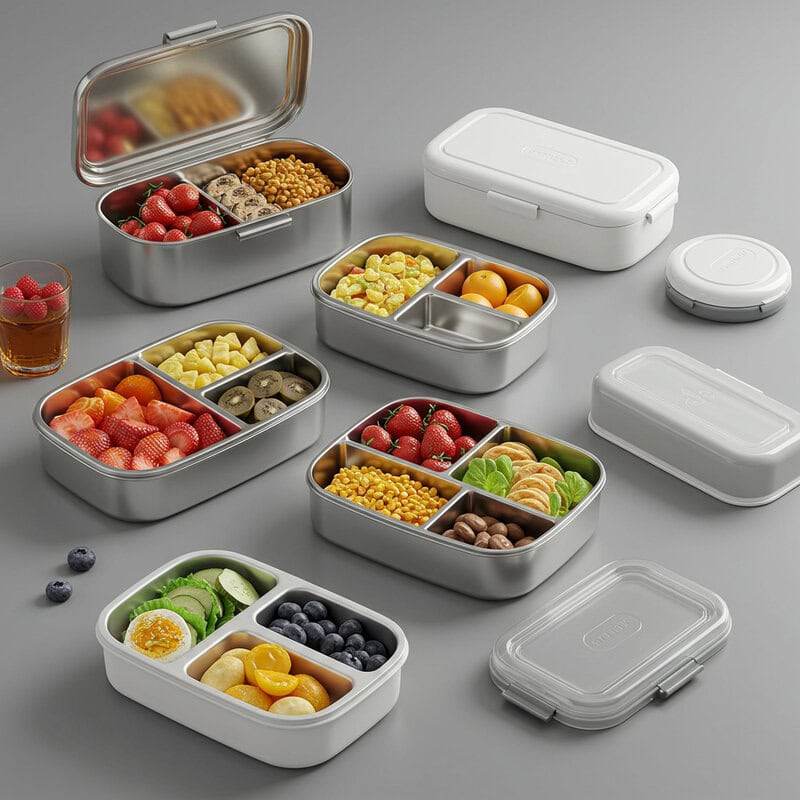
A vibrant, BPA-free lunchbox featuring several sections keeps items organized and prevents leaks during busy school days. | Generated by Google Gemini
Choosing a well-designed container is the first step toward preparing nutritious meals your child will actually eat. Opt for boxes with separate compartments to manage portions and stop different foods from touching. Leak-resistant lids are crucial to avoid messes and keep contents fresh until lunchtime.
Always choose BPA-free, food-grade materials to safeguard your child's health. Both stainless steel and high-quality plastic containers are widely used. For further advice on safe food storage and selecting containers, refer to the FDA’s guidelines on plastics and food safety.
Incorporate Diverse Food Categories
A neatly arranged lunchbox filled with whole grain sandwiches, fresh fruit, crunchy vegetables, and a dairy item. | Generated by Google Gemini
To create a well-rounded and wholesome lunchbox, try to include components from every major food group: whole grains, lean proteins, fruits, vegetables, and dairy. This strategy guarantees your child gets a blend of macronutrients along with essential vitamins and minerals necessary for growth, development, and steady energy throughout the day.
Adding variety also combats boredom and promotes healthy eating patterns. Experiment with combinations such as whole grain tortillas, lean chicken, colorful vegetables, berries, and yogurt. For comprehensive nutrition advice, check the USDA MyPlate recommendations.
Emphasize Fresh Produce
A colorful collection of fresh fruits and sliced vegetables paired with creamy dips for a nutritious snack arrangement. | Generated by Google Gemini
Fresh fruits and vegetables supply essential fiber, vitamins, and antioxidants. Choose produce that is simple to eat, such as baby carrots, cherry tomatoes, apple wedges, or grapes. Preparing and portioning these items in advance saves time during hectic mornings and adds visual appeal to lunchboxes.
Making fruits and vegetables enjoyable—by cutting them into fun shapes or serving with hummus or yogurt dips—can tempt even the pickiest eaters. Regularly switching up selections keeps children interested. For additional creative ideas and nutritional details, explore the Academy of Nutrition and Dietetics’ advice on kids and produce.
Choose Whole-Grain Options
A selection of whole grain bread, fluffy brown rice, and soft whole wheat wraps ready for a meal. | Generated by Google Gemini
Whole grains provide sustained energy, fiber, and vital nutrients that support growing children. Use whole wheat bread for sandwiches, brown rice or quinoa as a side, or oats in homemade granola bars. These choices help maintain stable blood sugar levels and keep kids feeling satisfied for longer.
Replacing refined grains with whole-grain versions is an easy way to increase the nutritional value of your child’s lunch. To learn more about the advantages and tips for incorporating whole grains, visit the Harvard T.H. Chan School of Public Health’s guide to whole grains.
Include Lean Protein Sources
A plate featuring juicy grilled chicken and perfectly boiled eggs, providing a satisfying protein-rich option. | Generated by Google Gemini
Lean proteins are vital for children's growth, muscle development, and prolonged fullness. Choose wholesome options such as grilled chicken strips, turkey slices, hard-boiled eggs, beans, or low-fat yogurt. These can be easily added to wraps, salads, or eaten as standalone snacks.
Offering a range of protein sources in your child’s lunchbox not only keeps meals interesting but also ensures they obtain important nutrients like iron and zinc. For more details on the significance of protein and creative meal ideas, check out the Academy of Nutrition and Dietetics’ protein guide.
Incorporate Nutritious Snacks and Treats
A tempting array of healthy snacks, including chewy granola bars and freshly baked homemade muffins, arranged on a rustic plate. | Generated by Google Gemini
Wholesome snacks help maintain energy levels between meals. Consider items like homemade trail mix with nuts and dried fruit, whole grain granola bars, or mini muffins made with whole wheat flour and natural sweeteners. Balancing these snacks with the main meal ensures steady energy and satisfaction.
While occasional treats are fine, try to limit sugary, heavily processed options that can cause energy crashes and poor nutrition. For more ideas and recipes for healthy snacks, visit the American Academy of Pediatrics’ guide to healthy snacking.
Provide Hydration Choices
A cheerful kids water bottle and a classic milk carton sit side by side, promoting healthy drink choices. | Generated by Google Gemini
Keeping children hydrated is essential for their concentration and energy. Send a reusable water bottle filled with fresh water or choose low-fat milk as a nutritious substitute for sugary sodas and juice boxes. Colorful bottles or those featuring favorite characters can encourage kids to drink more during the school day.
Adding a slice of lemon or a few berries can make water more appealing without extra sugar. Encouraging children to take regular “water breaks” helps them develop healthy hydration habits. Proper hydration not only supports physical well-being but also improves mood and concentration throughout the day. For more tips on healthy hydration for children, visit the American Academy of Pediatrics’ hydration advice.
Involve Kids in Lunch Preparation
Smiling children help pack colorful lunchboxes alongside their parents, turning family lunch prep into a fun, shared activity. | Generated by Google Gemini
Getting children involved in packing their own lunchbox encourages independence and sparks interest in healthy eating. Let younger kids wash fruit or help choose snacks, while older children can assemble sandwiches or portion out veggies.
Turning it into a fun, collaborative activity—such as letting them pick a new fruit to try each week—encourages creativity and ownership of their choices. Discuss the importance of nutrition as you pack together to make the experience educational. For more guidance on age-appropriate kitchen tasks, see EatRight.org’s kid-friendly kitchen tips.
Final Thoughts
Two happy kids enjoy a colorful packed lunchbox filled with fresh fruits, veggies, and healthy sandwiches. | Generated by Google Gemini
Assembling a nutritious lunchbox is about more than just nutrition—it’s a chance to support your child’s overall health and appreciation for food. By emphasizing variety, balance, and enjoyment, you can make lunchtime both nourishing and engaging. From selecting the right container to involving your children in the process, these straightforward steps can transform the midday meal. Ready to start? For more inspiration and recipe ideas, explore the ChooseMyPlate healthy eating tips for kids.