Forming a deep emotional connection with your child ranks among the most fulfilling parts of being a parent. Joint storytelling sessions open a unique doorway where trust, dialogue, and warmth can thrive. Apart from learning advantages, reading side by side makes kids feel cherished and heard, which cultivates their empathy and self-assurance.
In this guide, you'll uncover hands-on methods for turning books into meaningful instruments that tighten your family's ties. Learn how straightforward storytime customs can reshape your relationship, spark compassion, and establish a base for endless curiosity.
Design a Cozy Story Corner
A little one curls up with a caregiver in a snug reading alcove, enjoying a tale within a welcoming household. | Generated by Google Gemini
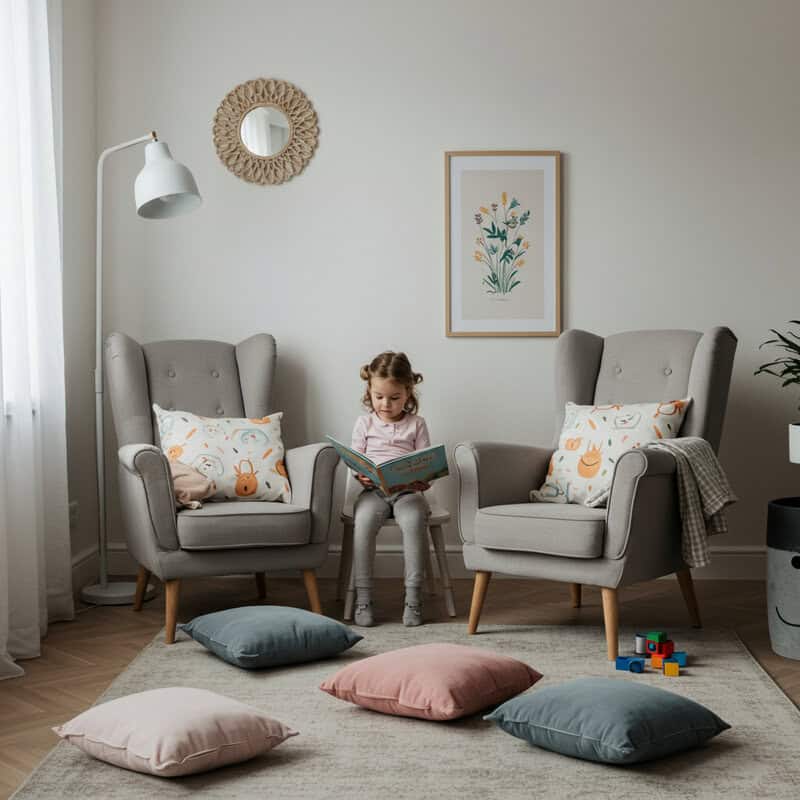
Crafting a warm, welcoming area is fundamental for truly impactful shared reading. Pick a location featuring cozy seating options—such as an overstuffed armchair or fluffy pillows—and provide soft, sufficient lighting to avoid eye fatigue. Cut down on interruptions by muting electronics and clearing the surroundings.
This inviting setting allows both grown-up and child to unwind, encouraging emotional honesty and focused engagement. When youngsters sense security and ease, they tend to open up and voice their ideas. For further guidance on building an ideal reading spot, check out Scholastic's resource.
Pick Stories that Ignite Curiosity and Dialogue
A caregiver and youngster scan a vibrant shelf packed with varied children's literature, selecting tales to enjoy as a pair. | Generated by Google Gemini
Choosing fitting books plays a central role in capturing your child's attention and enriching your connection. Seek out age-suitable narratives that mirror your child's passions or present fresh viewpoints. A range of characters and recognizable subjects can spark genuine discussions, nurture compassion, and widen horizons.
Invite your child to participate in picking titles, which personalizes the activity and makes it a team effort. While you read, let conversations unfold organically, examining emotions and concepts as a duo. This method promotes heartfelt exchanges and lays the groundwork for an enduring enthusiasm for reading. For curated book suggestions sorted by age and theme, look at Common Sense Media.
Build a Steady Reading Schedule
A caregiver and little one sit side by side beside a bright calendar and timepiece, delighting in their snug bedtime story tradition. | Generated by Google Gemini
Weaving reading into your everyday timetable helps turn it into a treasured, eagerly awaited custom. Dedicate a set moment each day—perhaps before bed or following supper—and rely on gentle prompts to stay on course. Predictability gives children a feeling of safety and confidence, bolstering your emotional link and showing that this shared interval matters.
As weeks pass, these together times turn into precious recollections, elevating reading to a shared priority. Introducing fresh titles or topics weekly can sustain novelty and enthusiasm. As your youngster matures, this practice supports a lasting passion for tales and knowledge. For additional methods on developing a reading habit, browse PBS Parents' tips.
Turn Reading into an Active, Captivating Activity
A caregiver and child sit close, enthusiastically gesturing toward a book as they immerse themselves in hands-on storytelling. | Generated by Google Gemini
Elevate storytime by drawing your child directly into the narrative journey. Pose open-ended queries about the storyline or personalities, motivate them to guess what comes next, and examine the artwork as a team. Switch up your tone and facial expressions to animate the tale.
These participatory methods enhance understanding and word knowledge while also reinforcing your emotional tie by transforming reading into a joint quest. When kids contribute actively, they sense appreciation and closeness. For more techniques on boosting engagement, review Brightly's read-aloud suggestions.
Foster Honest Dialogue and Emotional Openness
A devoted caregiver gives full attention as their child opens up about feelings during an intimate storytime chat with a book open between them. | Generated by Google Gemini
Leverage stories as a springboard for discussing feelings, obstacles, and situations that echo real-world experiences. Following the reading, welcome your child to express their reactions to the characters' decisions or predicaments, then link these moments to your own family life.
This method transforms reading into a secure zone where kids can articulate their thoughts and emotions, which deepens two-way trust and insight. Promoting candid exchanges supports the growth of emotional awareness and reinforces your connection. For additional suggestions on nurturing emotional talks via literature, visit Zero to Three's resource.
Honor Growth and Priceless Memories
A delighted caregiver hugs their beaming child as they mark a reading accomplishment, preserving a happy family snapshot. | Generated by Google Gemini
Recognizing accomplishments—like wrapping up a story, picking up fresh vocabulary, or having a sincere exchange—builds favorable ties to reading. Pause to mark these victories together, whether through compliments, a small reward, or simply reminiscing about your favorite chapters.
These moments of recognition foster pride and happiness, reinforcing your emotional attachment and turning reading into a beloved household custom. Celebrating advancement helps develop self-esteem and fuels a lasting fondness for books. For inventive approaches to commemorating reading achievements, see Reading Rockets' advice.
Wrapping Up
A happy caregiver and child exchange a warm grin while reading side by side, their tight connection evident across every page. | Generated by Google Gemini
Shared storytelling serves as a remarkable avenue for strengthening emotional ties, solidifying family bonds, and enhancing communication with your child. By shaping an inviting space, selecting captivating books, setting consistent habits, and welcoming open discussion, you lay the groundwork for lifelong rewards.
These experiences generate enduring memories and support emotional development for both caregiver and child. Begin or enrich your reading practice now to enjoy these gifts directly. For additional motivation and materials, visit Family Reading Partnership.