Autumn has arrived, and thoughts of apple picking—or simply enjoying apples—are on many people's minds. Apples can be used in countless dishes, both savory and sweet. However, let's be honest: most of us gravitate toward sweet apple treats.
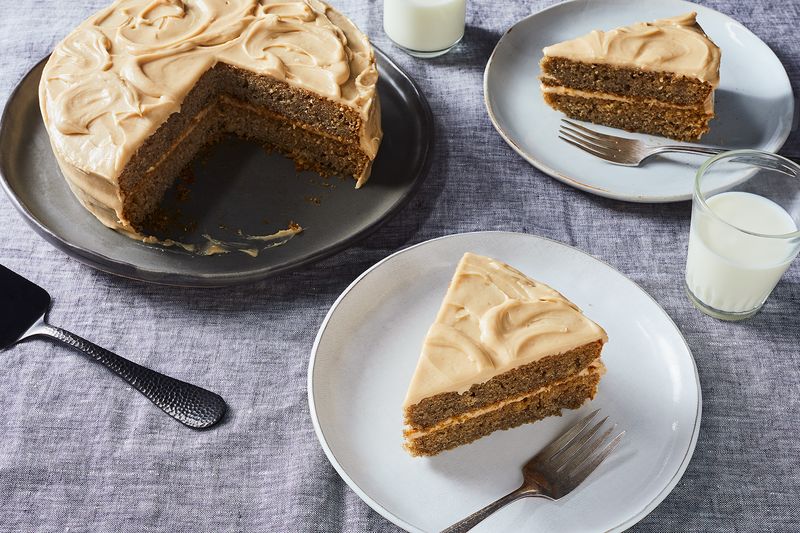
This apple snack cake is perfect for packing in lunchboxes or for little hands to grab after school. It's not overly sweet, making it a great companion for coffee or tea in the afternoon—or even in the morning, if we're being honest.
It's delicious whenever you feel like having a slice. That's why it's an all-occasion snack cake.
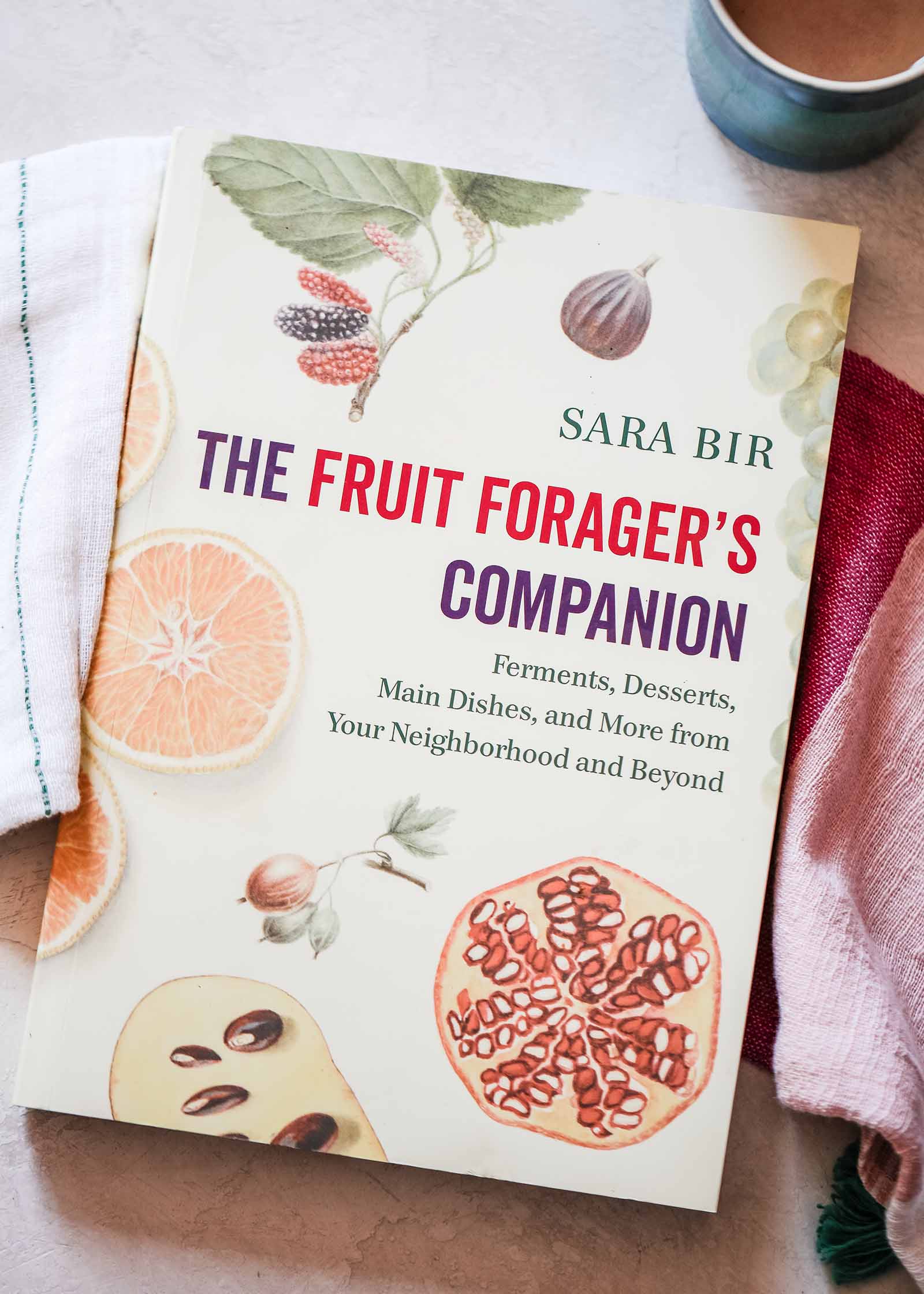
From The Fruit Forager’s Companion
This recipe is from The Fruit Forager’s Companion: Ferments, Desserts, Main Dishes and More from Your Neighborhood and Beyond (Chelsea Green, 2018), written by Simply Recipes contributor Sara Bir.
Bir's book shines with her excellent fruit research, humorous stories, and meticulous attention to detail. It contains recipes that are both familiar and slightly unconventional—including jams, relishes, compotes, as well as scones, salads, pies, and pizza.
The snack cake we highlight here offers familiar comfort, but have you ever experimented with mayhaws, sumac, or pawpaws—Bir's favorite and perhaps the gateway fruit to foraging? The book provides plenty of accessible recipes along with options for the truly adventurous cook.
Don't worry—the fruit forager has arrived. The true gift of this book is how it reveals the potential for feeding ourselves from our own backyards.
Sara Bir’s Foraging Journey
During the growing season, Bir spends much of her free time searching for overlooked edibles. Our backyards, forests, parks, and roadsides are full of food—and you don't need to be an expert to find them.
She explains that it's about getting to know what's around you—and that doesn't only apply to edibles in your yard or local park. It also means 'foraging' at the farmers' market, paying attention to seasonal produce, or spotting unfamiliar foods and asking farmers about them. It's a mindfulness practice, which she jokingly calls 'eyeball foraging'—just casually observing as you go.
Foraging might sound esoteric or difficult, but it's not. It's essentially a fancy term for how we used to eat. It doesn't require extensive knowledge—just curiosity about what grows in our surroundings and how it changes with the seasons.
Triple Apple Flavor in One Snack Cake
Great recipes often rely on layered flavors. Here, the snack cake features apples three ways: applesauce, apple cider, and apple chunks. The applesauce provides moisture, the cider intensifies the apple taste, and the chunks add texture.
Choosing Apples for This Snack Cake
I used Pink Lady and Honeycrisp apples, but feel free to use whatever you pick. Or perhaps you have friends with apple trees. When I asked Bir which apples she prefers, she replied, 'The ones that are free, that you find.' Naturally—what else would a forager say?
That said, you might be fortunate enough to have a local orchard that sells cider and applesauce, which will give the cake a more complex apple flavor. Or you can go the extra mile and make your own cider or applesauce—Bir includes recipes for both in her book.
More Recipes to Forage and Cook from This Book
I'm also planning to try the Citrus Curd from The Fruit Forager’s Companion, which uses lemon, orange, or lime. I think I'll use all three. Since I don't live in a citrus-growing region like California, my citrus foraging will be at the grocery store.
It's also pear season, and I'm eager to make the Arugula, Pear, and Almond Pizza. Or perhaps the Italian plum cake. Honestly, they all look amazing!
Sara's personal favorite hidden gem from the book is Old Sour, a condiment popular in the Florida Keys. It's essentially a lime brine with spicy peppers, bottled and left to ferment.
Keep Calm or How to Calm Your Nerves at Work
Also read: Fruit Freakshake from The Petite Cook