by Scarlet familyfocusblog.com
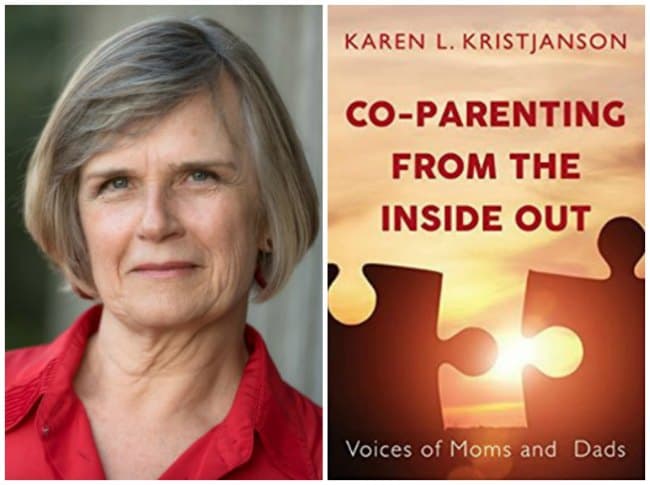
You might be asking yourself: what exactly is co-parenting? At its core, co-parenting involves sharing the responsibilities of raising a child, and while it can occur within a marriage, the term is most often associated with separated, unmarried, or divorced couples. When done effectively, co-parenting offers numerous advantages for both the child and the adults involved. Yet, navigating a marriage split often makes this feel like an overwhelming challenge. That’s why it’s so valuable to tap into resources such as counseling, classes, or co-parenting books. I’m delighted to present co-parenting guidelines from Certified Life Coach and co-parenting specialist Karen Kristjanson, who draws on three decades of experience and her own personal journey in her debut book, CO-PARENTING FROM THE INSIDE OUT: Voices of Moms and Dads (affiliate link below). She masterfully shares the stories of numerous parents who learned to co-parent successfully, offering not just advice but also real-life examples that prove that even though this can feel like a lonely period, you are far from alone.
12 Co-Parenting Guidelines
Karen L. Kristjanson’s book is built on a straightforward idea: the less drama in the co-parenting relationship, the more energy can be devoted to raising the children. This makes sense because we all understand how emotionally draining conflict can be, which is why her co-parenting guidelines are so practical. Her book compiles life-coaching strategies, common-sense actions, and personal stories from the author and dozens of parents navigating complex co-parenting situations who have found effective ways to work through them. While the book offers far more than I can cover here, I hope this excerpt demonstrates how helpful her co-parenting advice can be.
Co-Parenting Guidelines To Help You Navigate A Marriage Split:
Excerpt from CO-PARENTING FROM THE INSIDE OUT: Voices of Moms and Dads (Taken from Chapter 13) By Karen L. Kristjanson Reprinted with Permission
- It gets easier
Part of the ease comes from realizing that you can survive. A major shift can make you hold your breath, as if you’ve jumped into cold water. You’re not certain you’ll make it through. Over time, you adjust to the new temperature. You discover you can still breathe. You can not only stay afloat but also move forward.
- It’s not just about getting over the divorce
Getting through the divorce is only the initial phase of the journey. Instead of being a one-time task with steps you complete and move on from, you may need to handle waves of change for the next decade. If your former spouse engages in behaviors like speaking poorly of you, moving without notice, or failing to follow agreements, ongoing anger and uncertainty are likely. Strengthen your self-management skills, take care of yourself, and keep your focus on the children’s needs.
- Face your feelings
This might be the first time you’ve experienced such intense emotions. You may not know how to sit with them. Don’t ignore or suppress your feelings—or not for long—or you risk remaining stuck in pain. Instead, pay attention to whatever you feel about the divorce and your changing life. Accept that these feelings can be painful, and seek help if needed from counselors, therapists, books, or support groups. If the end of the marriage echoes past events, there may be lingering guilt or sadness requiring extra attention. By staying in tune with your own emotions, you’ll be more likely to sense your children’s feelings too. You’ll know if they need support.
- Stronger parents mean stronger kids
Rising to the demands of co-parenting helped nearly all interviewed parents gain new perspectives, skills, and confidence. The development of both mothers and fathers strengthened their parenting, and the children benefited from having parents who were more self-assured and present. Your growth supports your children’s growth.
- No one regretted getting help
Many parents wished they had done some things differently. They felt regret over poor decisions or missing warning signs in time. But no one was sorry for seeking support from counselors, coaches, financial advisors, support groups, massage therapists—anyone who could bolster their inner resources. Even if it’s uncomfortable, seriously consider options to strengthen yourself in decision-making, acknowledging feelings, education, or getting along with others. Countless resources are available, so give some a try. It won’t hurt, and it might make a difference for you and your children. Do whatever will nourish and expand you. This is one area where you have some control.
- Seeing the big picture makes a big difference
Remember Chapter 2? The big picture included financial, mental, and physical health, as well as self-management skills and shared expectations. Even when both parents have strong self-management skills and similar expectations, co-parenting is challenging. When extra stressors are present—especially special needs of a child or parent, or addictions—everyone involved must invest more ongoing energy. If this is your situation, accept that you will need support: ask for help and keep seeking whatever will enable you to keep going. If this is the situation of someone close to you, offer whatever support you can.
- Co-parenting is dynamic
Your work situation changes; your ex-spouse needs to move; another child arrives; your children need different things from you and their other parent as they grow. Co-parenting may work with parents sharing time equally for two years, or eight years. At other times, one parent may have most of the time with the children. Expect changes and shifts.
- Take time to make good decisions
You can’t predict the future, but you still have to make decisions that will impact it. It’s important to take time to explore and test your assumptions about what will be best for you and your children. Your anger, hurt, or fear can be so strong that stepping back to gain perspective is the last thing you want to do. Yet it remains crucial. This is especially true in the first two years after the split, when it’s hardest to see your children’s needs as separate from your own.
- Avoid drama, if you can
Some high-conflict stories included dramatic actions, like throwing a partner’s belongings outside or having loud arguments within earshot of the children. Anger can be a powerful force that motivates action, but its unfiltered expression can also leave scars. While sometimes unavoidable, each dramatic action has the potential to escalate conflict. The more often open conflict occurs, the more it can affect your children, leaving them with memories they’d rather forget.
- Learn forgiveness
No one parents—or co-parents—perfectly. Carrying blame and shame in your heart keeps you anchored in the past. Divorce brings intense emotions, and no one is at their best when navigating those waters of hurt and anger. Notice when you mess up, and think about how to avoid repeating that mistake. Then remember all the things you’re doing right, and forgive yourself. If possible, with time (perhaps lots of time!), try to forgive your ex as well. You will feel lighter.
- Nobody knows what’s next
You desperately want to feel a sense of control or predictability regarding your children. Remember that not all unexpected events will be bad. Out of the blue, some changes will improve your kids’ lives, your relationship with your ex, your career prospects—anything. So when you look ahead into the uncertain future, try not to brace yourself only for hard things. Make sure to leave mental space for some good surprises too.
- Hope is important
As long as you believe that better things are possible, you can keep going.
I believe these insights from Karen serve as truly useful co-parenting guidelines. May they provide you with foundational food for thought and help steer your mind in a positive direction. Which of these co-parenting guidelines resonated most with you?