Sara Fabian for UPLIFT
The Journey to Self-Love: Accepting Ourselves Fully
"For years, you've been harsh on yourself, and it hasn't brought results. Why not try self-approval and see what happens?" – Louise Hay
Reflecting on my past, I now realize I spent a huge portion of my precious energy striving. Striving for perfection, seeking approval from everyone around me, and trying to fit into various social circles just to feel accepted and included—to experience a sense of belonging. In truth, I was using others as tools to obtain what I wasn't giving myself: affection, recognition, self-care, and respect.
I remember my frantic attempts to "make myself beautiful" while hiding behind layers of makeup. Don't misunderstand—I have nothing against femininity, and I still wear makeup today, but it no longer feels like a mask.
My former self applied heavy makeup as a daily ritual. My face looked the same whether I was attending a wedding or heading to the gym. The thought of appearing vulnerable before anyone outside my immediate family or close friends terrified me. But here's what I didn't understand then, and what I now know to be true:
Actually, my fear wasn't of others—it was of myself. I saw myself as inadequate, often making myself small so that others could feel big. I insulted myself ("What an idiot!", "There I go again!"), belittled my achievements, and took myself for granted. All I wanted was to be perfect.
The Reflective Power of Mirrors
I've learned that beauty is entirely subjective, shaped by our minds. Things simply exist—neither ugly nor beautiful, neither normal nor abnormal—and we all perceive reality through our own filters.
The same principle applies to people. We don't see others as they are; we see them as we are, and everyone reflects something within ourselves.
Carl Jung called this the "mirroring effect": everything we like or dislike in another is a reflection of our own being. How else could we recognize it?
My journey toward self-love began with Louise Hay's transformative mirror practice. The exercise seems simple: look into a mirror, meet your own eyes, and say "I love you." Let that loving energy flow through your body and sink deep into your heart. It sounds easy, but if you've been at odds with yourself for years, it's incredibly difficult.
"Loving myself? Isn't that selfish? Isn't that just my ego? What am I doing? Am I turning into a narcissist?"—those were the doubts echoing in my mind at the time.
This practice felt intensely uncomfortable, but I committed to repeating it every single day. New habits are built through repetition, and that's exactly what happened. After a few weeks, looking at myself in the mirror while saying "I love you" no longer felt awkward. Not at all. It became natural, warm, and comforting.
Offering myself love and compassion was one of the most beautiful gifts I've ever given. It felt transformational from the inside out, like a rebirth. So I stopped wearing that heavy makeup mask. I no longer needed it. Today, I wear very little makeup, and when I go grocery shopping or take a walk, I wear none at all.
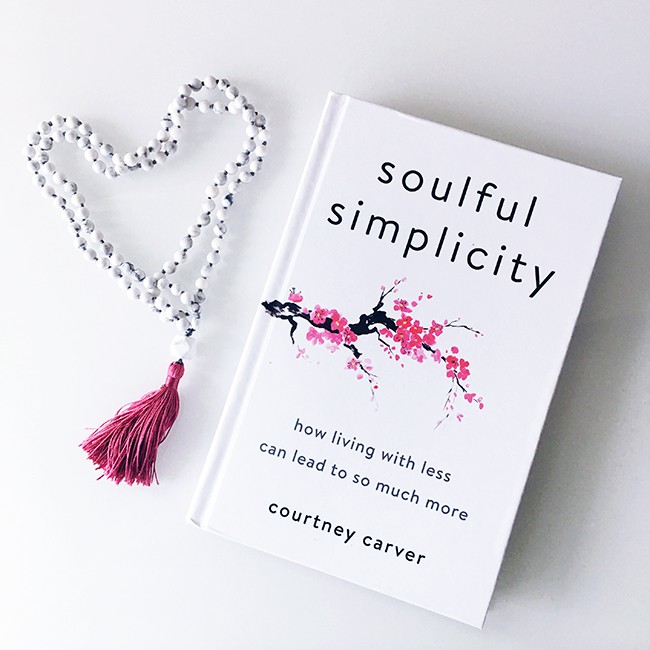
If this resonates with you, I invite you to explore another way of understanding beauty and perfection—one very different from the norms imposed by most cultures and societies: the concept of wabi-sabi.
Wabi-Sabi: The Beauty in Imperfection
The Japanese aesthetic of wabi-sabi is grounded in the principle that imperfections are beautiful. Museum artifacts are displayed exactly as they are, cracked or broken. And that's what makes them so valuable—they've stood the test of time. The same holds true for people. It is our imperfections that make each of us authentic, special, and unique.
Wabi-sabi centers on the radical acceptance of imperfection. It refers to beauty that is "imperfect, impermanent, and incomplete." Roughly, wabi means rustic simplicity, freshness, and quiet. Sabi is described as graceful serenity, often something that comes with age. This concept is rooted in Buddhist teachings of impermanence, emptiness, and suffering.
Perfection is an illusion. It's nothing but pure fiction—it doesn't exist. It is a source of unhappiness and frustration in many people's lives. It may look like a strength, but in reality, it's the opposite. It is an enemy, not a friend. A sign of fear. When I believe things are perfect, nothing can hurt me; no one can tell me I'm not good enough. Others perceive me as invincible and strong.
Perfectionism stems from feeling inadequate and setting unrealistic expectations for ourselves. The same drive lies behind the desire to look perfect. It signals self-criticism, non-acceptance, and self-judgment—essentially declaring war on our own bodies.
Next time you look in the mirror and negative thoughts arise, remember wabi-sabi. Your "imperfections" are precisely what make you valuable and unique. I am perfectly beautiful and beautifully imperfect, and that allows me to be ME.
Know that you are worthy and beautiful—not because others think so, but because you choose to believe it. Decide that you are gorgeous and smart, and see what happens.